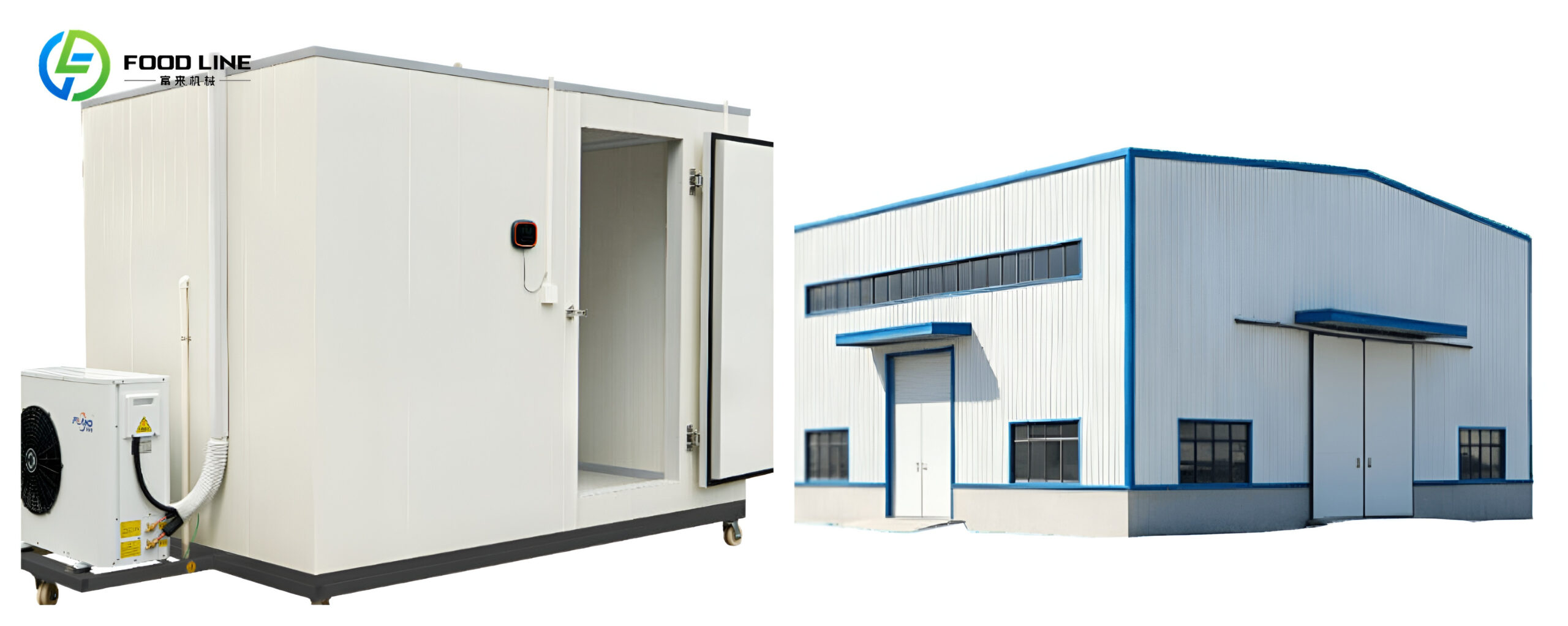
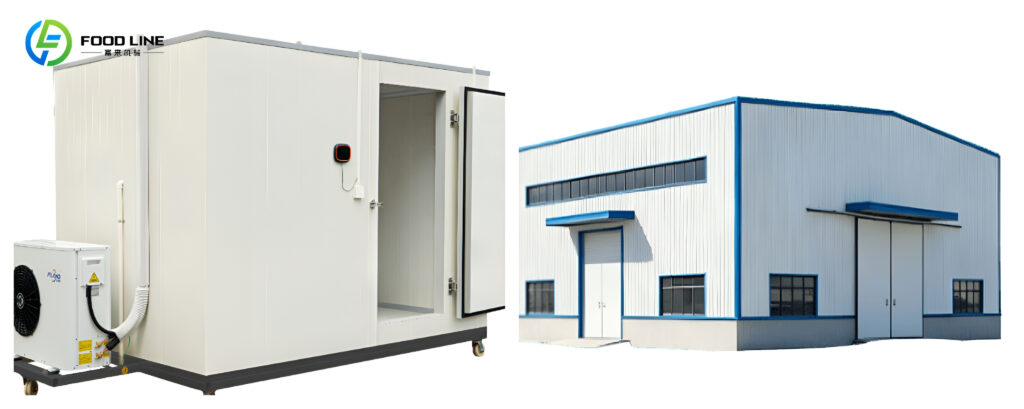
If your business deals with perishable goods—whether it’s fresh produce, dairy, or frozen foods—choosing the right cold storage solution isn’t just a logistical decision. It’s a critical factor that impacts your bottom line, product quality, and operational flexibility. Two primary options dominate the market: mobile cool room (think portable, container-style units) and fixed cold room (permanent, on-site facilities). But there’s no one-size-fits-all answer. The “better” choice depends entirely on your business’s unique needs, from storage volume and location stability to budget and long-term growth plans. Let’s break down the key differences, pros, cons, and use cases to help you make an informed decision.
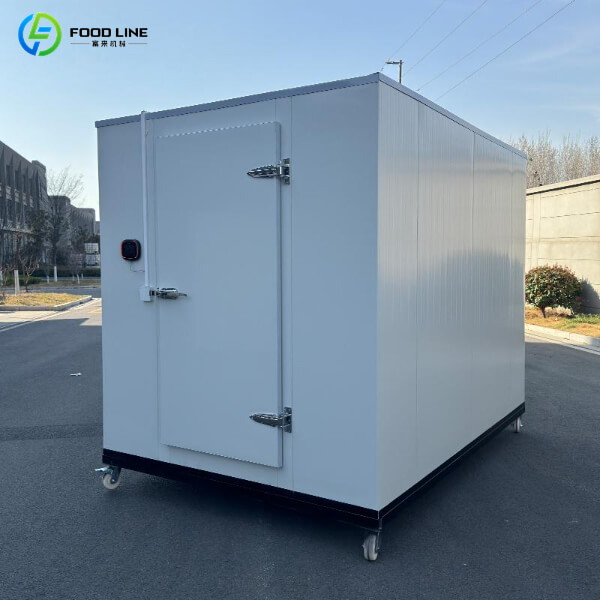
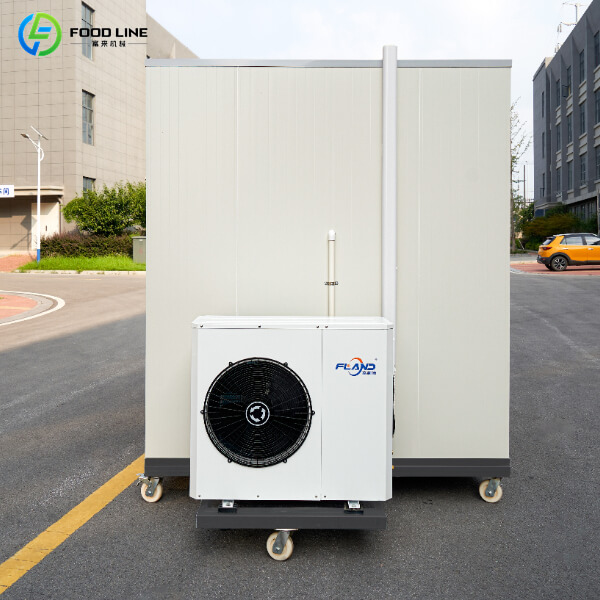
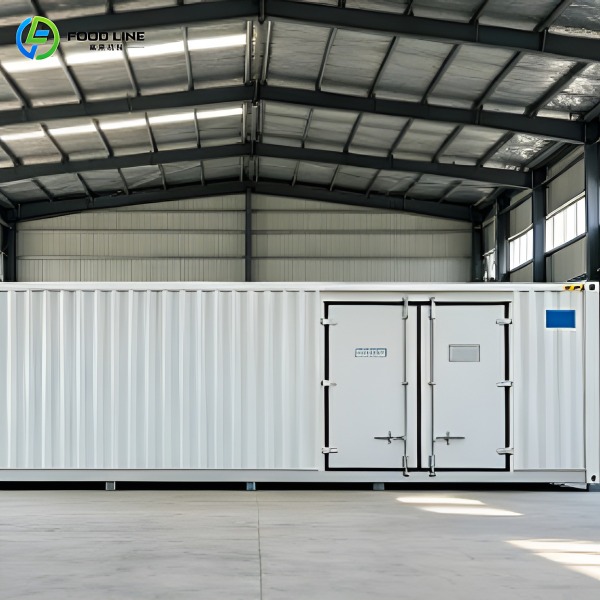
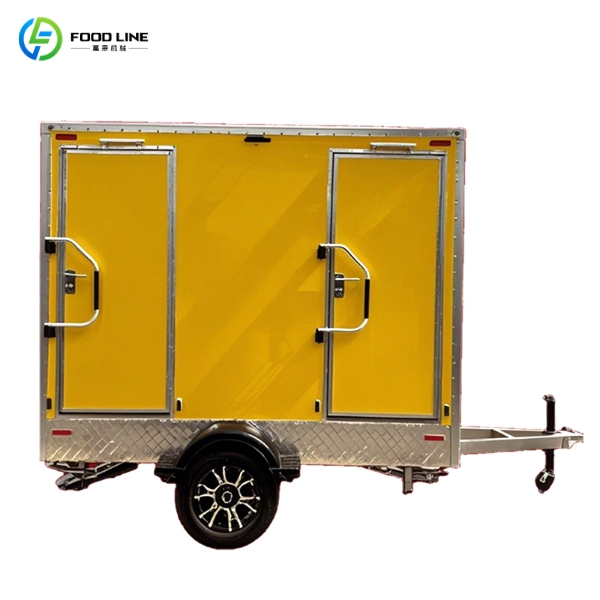
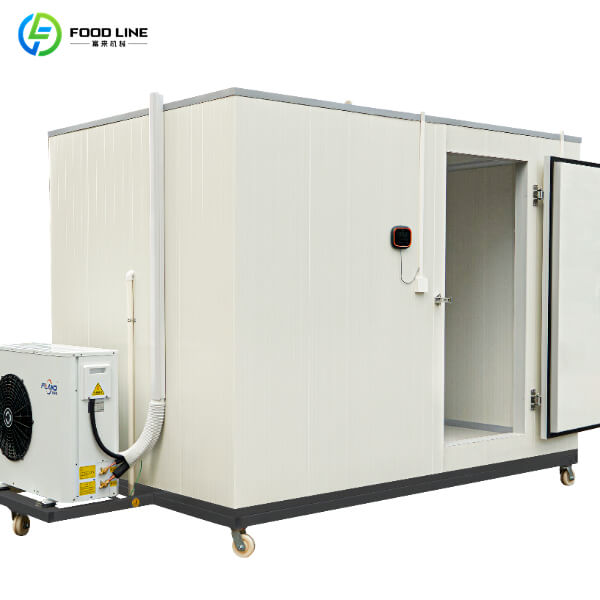
Mobile cool room units are prefabricated, self-contained refrigeration units—often built from modified shipping containers or custom modular panels. They can move, deploy, and relocate with relative ease. They come with integrated refrigeration systems and require minimal setup (usually just a power source). And they are available in a range of sizes. Think of them as “plug-and-play” cold storage: you can place them on your premises temporarily, move them to a new location if your business shifts, or even use them for off-site events or emergency needs.
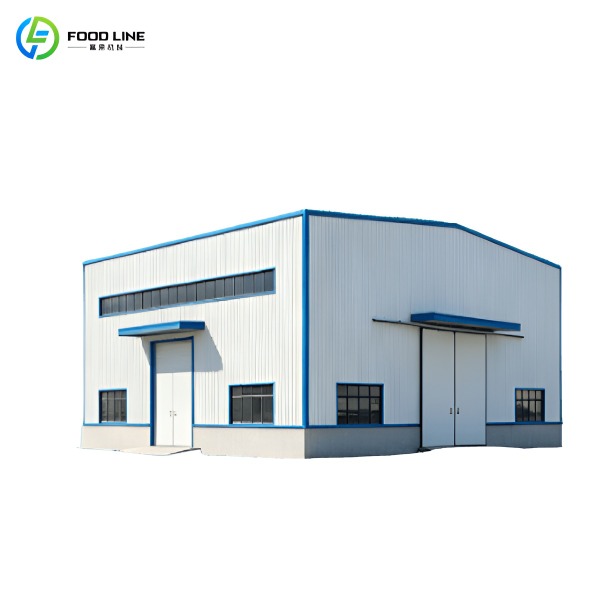
Fixed cold rooms (also called traditional cold rooms) are purpose-built, stationary facilities constructed on-site—either as part of an existing building or as a standalone structure. They’re custom-designed to fit your space, with reinforced insulation, integrated refrigeration systems, and often multiple temperature zones to accommodate different products. These are long-term investments, built for stability, large-scale storage, and consistent performance over decades.
Mobile Cold Storage: Flexibility is its superpower. We design these units to be movable. Whether you’re expanding to a new location, need temporary storage during peak seasons (such as harvest or holiday rushes), or require emergency backup when your primary cold storage breaks down. You can also scale mobile units quickly by adding or removing them without making permanent investments.
Fixed Cold Storage: Stability is their strength. Once built, they’re stationary. However, they offer more customization in terms of size and layout. You can design them to fit odd-shaped spaces, add multiple temperature zones for different products, or integrate them with your existing workflow (e.g., direct access to loading docks or production areas).
2. Cost
Mobile Cool Room: Low upfront costs are a big draw. Instead of investing hundreds of thousands (or millions) in construction, you can rent or purchase a mobile unit for a fraction of the cost. However, long-term rental costs can add up. If you need cold storage for 5+ years, buying a mobile unit or investing in a fixed room may be more cost-effective. Also, Mobile units have higher energy consumption due to their smaller size and frequent movement. This can increase monthly utility bills.
Fixed Cold Storage: High upfront costs are the biggest downside. Construction involves permits, materials, labor, and custom design, with initial investments often in the six-figure range for large units. However, fixed rooms have lower ongoing costs, which can reduce utility bills over time. They also have a longer lifespan compared to mobile units. So the upfront investment pays off in long-term value—especially for businesses with consistent, high-volume storage needs.
3. Installation & Lead Time
Portable Cold Storage: Installation is fast—most units can be deployed within 24–48 hours of delivery. All you need is a flat surface and a power source; it does not require permits, construction, or site preparation (in most cases). This is a game-changer for businesses with urgent needs, like emergency food relief or last-minute seasonal demand.
Fixed Cool Room: Installation is a lengthy process. From site preparation and permits to construction and equipment setup, it can take 3–6 months (or longer for large units). You’ll need to work with contractors, navigate local building codes, and plan for downtime during installation. However, the customization means the room will be tailored exactly to your needs.
Which Is Right for You?
Choose Mobile Cool Room If…
You have temporary or seasonal storage needs (harvest, holidays).
Your business is mobile or expanding.
You need emergency backup or have a tight upfront budget.
Choose Fixed Cold Room If…
You have a fixed location and long-term storage needs.
You need large-scale storage (daily throughput over 50 tons) or precise temperature control.
You prioritize long-term cost savings and energy efficiency.
Other Tip: Hybrid Solutions
Many businesses use a hybrid approach: a fixed room for base storage and a mobile unit for seasonal peaks—balancing stability and flexibility.
Final Thoughts
The right choice depends on your storage timeline, location, budget, and product needs. Ask yourself: How long do I need storage? Is my location fixed? What’s my budget? Answering these will guide you.